_e.png)


Why We Don’t Recommend Cellulose Attic Insulation
When homeowners start researching attic insulation, two materials usually come up quickly: blown-in cellulose and blown-in fiberglass.
Both materials can be used successfully in residential attics when they are installed correctly. In fact, the U.S. Department of Energy lists both cellulose and fiberglass as acceptable loose-fill insulation materials for existing vented attics.
However, at Restoration Insulation, we generally prefer blown-in fiberglass insulation for the homes we work on throughout Memphis and the surrounding Mid-South.
Why?
It comes down to long-term performance, moisture concerns, cleanliness, weight, and the type of attic system we want to leave behind for our customers.
Here’s why we typically recommend fiberglass instead of cellulose.
What Is Cellulose Insulation?
Cellulose insulation is a loose-fill insulation product made primarily from recycled paper fibers. Because paper is naturally combustible, cellulose insulation is treated with fire-retardant chemicals so that the finished insulation meets required fire-performance standards.
It is usually blown across an attic floor using an insulation machine, much like loose-fill fiberglass.
Cellulose can provide good thermal performance when properly installed, and there are certainly applications where it makes sense.
Our preference for fiberglass does not mean that every home with cellulose has a problem or that cellulose cannot perform effectively.
We simply believe blown-in fiberglass provides several advantages that make it a better fit for many of the attic projects we complete in the Memphis area.
1. Cellulose Can Settle Over Time
One of the biggest concerns with loose-fill insulation is maintaining the proper depth throughout the attic.
Cellulose is relatively dense and can settle after installation. As the material settles, the insulation depth decreases.
Because insulation performance is measured by R-value, losing depth can affect the overall thermal resistance of the attic.
Both cellulose and fiberglass must be installed at the correct density and depth. Building-science guidance notes that improperly installed blown fiberglass or cellulose can settle and reduce performance.
This is why professional installation matters regardless of the material.
With the blown-in fiberglass products we use, however, we can create an even, fluffy layer across the attic floor and clearly measure the installed depth using insulation rulers.
That makes it easy for both our installers and the homeowner to see how much insulation has actually been installed.
2. Memphis Attics Already Deal With Plenty of Moisture
Memphis has a hot, humid climate.
That means attic moisture management is extremely important.
Moisture can enter an attic from several sources, including:
Air leaks from the living space
Bathroom exhaust fans
Roof leaks
Leaking HVAC ducts
Poor attic ventilation
Plumbing penetrations
High indoor humidity
Neither cellulose nor fiberglass should be considered a solution for moisture problems.
In fact, the Department of Energy warns that installing fibrous insulation without first addressing air leakage can contribute to moisture problems because humid air can move through the insulation and condense on colder surfaces.
That is why our process goes beyond simply blowing in more insulation.
When needed, we also address air sealing, attic ventilation, damaged insulation, and other attic conditions before adding new material.
Learn more about our attic services at RestorationInsulation.com.
3. Fiberglass Does Not Absorb Moisture the Same Way Paper Fiber Can
Fiberglass is manufactured from glass fibers rather than recycled paper.
The glass fibers themselves do not absorb water in the same way cellulose fibers can.
That does not mean fiberglass should ever be allowed to remain wet. Wet insulation of any type should be investigated, and the moisture source should be corrected.
ENERGY STAR specifically recommends correcting roof leaks, moisture problems, mold, or wet insulation before moving forward with an attic insulation project.
But in a humid Mid-South environment, we like working with a material that is inorganic and does not rely on recycled paper fibers.
It is one of the reasons blown-in fiberglass is our preferred attic insulation material.
4. Fiberglass Is Lighter
Loose-fill cellulose is generally denser than blown-in fiberglass.
That means achieving the required insulation level with cellulose can place more material by weight across the attic floor.
In most properly constructed homes, either material can be installed safely when used according to manufacturer specifications.
Still, when we are adding a significant amount of insulation to an existing attic, we prefer the lighter nature of blown fiberglass.
It allows us to achieve substantial insulation depth without adding as much material weight across the ceiling system.
5. Fiberglass Provides a Clean, Consistent Finished Attic
There is also a practical difference homeowners notice immediately after installation.
Fresh blown-in fiberglass creates a clean, uniform appearance throughout the attic.
When properly installed, we can evenly cover:
Ceiling joists
Irregular framing areas
Hard-to-reach spaces
Areas around ductwork
Attic perimeter areas
This is especially valuable in older Memphis homes where insulation levels may vary dramatically from one side of the attic to another.
ENERGY STAR notes that insulation should be evenly distributed without low spots and should extend properly toward the perimeter of the attic without blocking soffit ventilation.
That even coverage is something our crews pay close attention to on every project.
6. Fiberglass Is Naturally Inorganic
One reason we prefer fiberglass is simply what the material is made from.
Fiberglass consists primarily of glass fibers.
Cellulose consists primarily of recycled paper fibers that must be chemically treated to improve fire resistance and help protect the material.
Modern cellulose products are manufactured to meet required safety standards, so this does not mean cellulose is inherently unsafe.
But when choosing between a paper-based insulation and an inorganic glass-fiber insulation for a hot, humid attic, we prefer fiberglass for the attic systems we install.
7. The Insulation Material Is Only Part of the Solution
This may actually be the most important point.
Whether someone chooses cellulose or fiberglass, insulation alone will not fix a poorly performing attic.
The Department of Energy specifically notes that neither loose-fill cellulose nor fiberglass should be treated as an air barrier. Air can still move through fibrous insulation.
That is why Restoration Insulation looks at the entire attic.
Depending on what we find, an attic improvement project may include:
Insulation RemovalOld, contaminated, or damaged insulation may need to be removed before new material is installed.
Attic Enzyme TreatmentAfter removal, we can treat exposed attic surfaces to help freshen the attic and address odors and organic material.
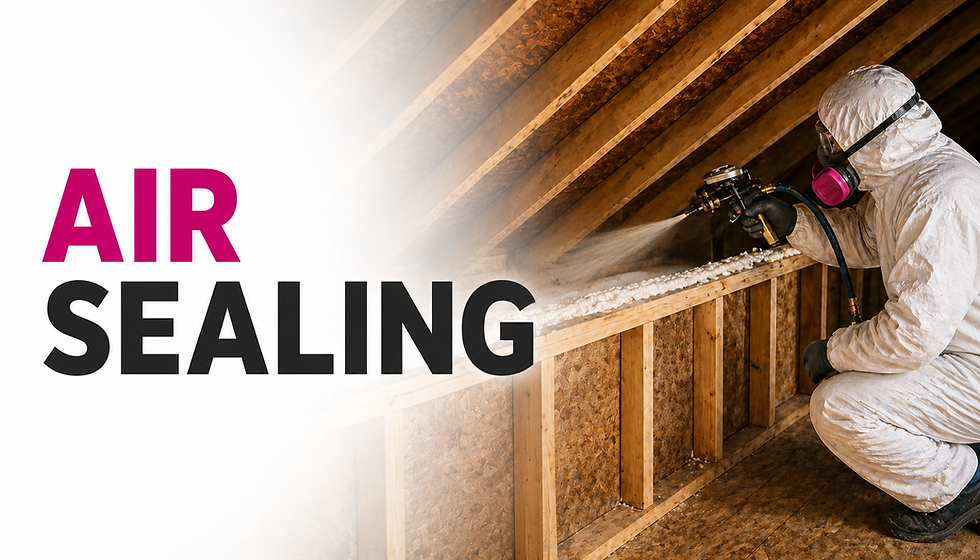
Air SealingWe seal many common penetrations around plumbing, wiring, framing, and other openings before covering them with new insulation.
Attic Door SealingAttic accesses and pull-down stairs can be major sources of heat transfer and air leakage.
Ventilation ImprovementsSoffit intake, baffles, ridge vents, and attic exhaust ventilation all need to work together.
ENERGY STAR recommends air sealing before adding attic insulation because sealing these leaks can improve comfort and reduce unwanted airflow between the home and attic.
Why Restoration Insulation Uses Blown-In Fiberglass
Cellulose insulation can work.
But for the majority of the Memphis-area attics we improve, blown-in fiberglass is the material we prefer.
It gives us the combination of characteristics we want:
Excellent thermal performance
Lightweight installation
Clean, uniform coverage
Inorganic glass fibers
Easy-to-verify insulation depth
Compatibility with existing attic systems
Excellent coverage around framing and obstacles
More importantly, we do not simply show up and add insulation.
We evaluate the attic as a system.
If your home has air leaks, inadequate ventilation, an unsealed attic door, contaminated insulation, or other attic problems, simply adding another layer of insulation may not solve the real issue.
Is Your Memphis Home Underinsulated?
If your upstairs stays hot, your AC seems to run constantly, or you can easily see the tops of your attic floor joists, your home may not have enough insulation.
ENERGY STAR recommends checking both the depth and consistency of attic insulation and notes that many homes can benefit from additional insulation when existing levels are low.
Restoration Insulation can evaluate your current insulation levels, air leakage, ventilation, and overall attic condition and explain what we find.
Ready to see what’s happening in your attic?
Visit RestorationInsulation.com or call 901-860-4280 to schedule an attic assessment.


Comments