_e.png)


Why Memphis Humidity Is the #1 Enemy of Your Attic
Memphis is known for long, hot summers, frequent storms, and high humidity. While most homeowners notice the humidity when they step outside, they may not realize what it is doing inside their attic.
Excess attic moisture can quietly damage insulation, roof decking, rafters, fasteners, and ventilation components. It can also create musty odors, contribute to uncomfortable indoor temperatures, and force your heating and cooling system to work harder.
The U.S. Department of Energy describes moisture as the number-one enemy facing an attic because it can enter from above, below, or through the sides. Once moisture becomes trapped, it can warp roofing materials, reduce insulation performance, and create problems that eventually affect the living areas below.
Understanding how Memphis humidity enters your attic—and how to control it—can help protect your roof, insulation, indoor comfort, and energy costs.
Why Memphis Attics Are Especially Vulnerable to Humidity
Your attic sits between two very different environments. Above it is a roof exposed to direct sunlight, rain, wind, and rapidly changing temperatures. Below it is a conditioned living space where people cook, shower, wash clothes, and generate moisture every day.
In a humid climate, moisture can enter the attic through several sources:
Outdoor humid air entering through vents
Warm indoor air leaking through ceiling gaps
Bathroom fans venting into the attic
Leaking roofs or flashing
Poorly sealed ductwork
Plumbing leaks
Clogged or blocked ventilation
Condensation on cold surfaces
Humidity itself is not automatically a problem. A properly designed attic should be able to manage normal moisture. Trouble begins when moisture enters faster than it can escape.
This is why insulation, air sealing, roof maintenance, and ventilation must work together as a complete system.
Humidity Can Reduce the Effectiveness of Attic Insulation
Attic insulation works by slowing heat transfer between the attic and the rooms below. When insulation becomes wet, compressed, contaminated, or matted down, it may not perform as intended.
Wet insulation can create several problems:
Reduced thermal performance
Uneven temperatures throughout the home
Higher heating and cooling costs
Musty or stale odors
Added weight on ceiling materials
Hidden moisture against wood framing
Greater potential for deterioration
Simply adding new insulation over damp or damaged material does not solve the underlying problem. The source of the moisture should be identified and corrected first.
Restoration Roofing can evaluate insulation levels, ventilation, air leakage, and visible moisture concerns as part of a complete attic assessment. Learn more about the signs your attic insulation needs an upgrade in Memphis.
Moisture Can Damage Roof Decking and Structural Wood
Your roof decking provides the solid surface beneath the shingles. When moisture repeatedly condenses or remains trapped against the decking, the wood may begin to stain, swell, soften, warp, or deteriorate.
Over time, persistent moisture can also affect:
Rafters and trusses
Roof sheathing
Metal fasteners
Nails and connectors
Fascia and soffits
Areas around roof penetrations
Damage may remain hidden until shingles are removed or someone enters the attic for an inspection. In more advanced cases, soft decking may require replacement before a roof can be safely installed.
Dark staining does not always confirm active mold or structural damage, but it should not be ignored. A qualified professional can help determine whether the attic has an active leak, condensation problem, blocked ventilation, or previous moisture staining.
High Humidity Can Contribute to Mold and Musty Odors
Mold requires moisture to grow. That is why controlling moisture is one of the most important steps in preventing unwanted attic growth.
The Environmental Protection Agency recommends keeping indoor relative humidity below 60 percent when possible, with an ideal range generally between 30 and 50 percent. The EPA also emphasizes that moisture control is the key to mold control.
Possible warning signs of an attic moisture problem include:
Musty smells
Dark spots on decking or rafters
Damp or discolored insulation
Rusted nails
Condensation on metal components
Water staining around vents
Peeling paint near ceilings
Recurring ceiling stains
Homeowners should avoid disturbing questionable materials without proper protection. What appears to be mold may require professional evaluation, especially when a large area is affected.
Cleaning the visible surface without correcting the moisture source will usually allow the problem to return.
Poor Ventilation Allows Moisture and Heat to Become Trapped
Attic ventilation is intended to allow outside air to enter near the lower edges of the roof and exit near the top. In many homes, soffit vents provide intake while ridge vents, static vents, turbines, or attic fans provide exhaust.
ENERGY STAR explains that natural airflow through a properly ventilated attic helps remove superheated summer air and moisture. It also warns homeowners not to cover soffit vents with insulation because doing so can restrict the airflow needed at the eaves.
Common attic ventilation problems include:
Insulation covering soffit vents
Missing ventilation baffles
Too much exhaust and not enough intake
Damaged or blocked ridge vents
Inactive or undersized attic fans
Mixed ventilation systems working against one another
Bathroom fans terminating inside the attic
More ventilation is not always better. The system must be balanced and designed for the size and layout of the attic.
Read more about why your home needs proper attic ventilation and the difference between passive and active attic ventilation.
Bathroom Exhaust Fans Should Never Vent Into the Attic
Bathroom fans remove warm, moisture-filled air from the home. However, that moisture must be exhausted completely through the roof or an approved exterior wall.
A bathroom fan that terminates in the attic can release large amounts of humid air directly onto insulation, rafters, and roof decking. This may cause staining, condensation, wet insulation, odors, and long-term deterioration.
The Department of Energy specifically warns against venting bathroom, kitchen, or dryer exhaust into an attic because doing so can create major moisture problems.
During an attic inspection, each exhaust duct should be checked to confirm that it:
Connects securely to the fan
Is properly supported
Does not have excessive sagging
Terminates outside the home
Has an appropriate exterior vent
Is sealed around connections
Correcting an improperly vented bathroom fan may be one of the most important steps a homeowner can take to reduce attic moisture.
Air Leaks Carry Indoor Humidity Into the Attic
Even when bathroom fans are properly installed, humid indoor air can still leak through openings in the ceiling.
Common leakage points include:
Recessed lights
Plumbing penetrations
Electrical wiring
Attic access doors
Pull-down stairways
Interior wall top plates
Duct chases
Gaps around exhaust fans
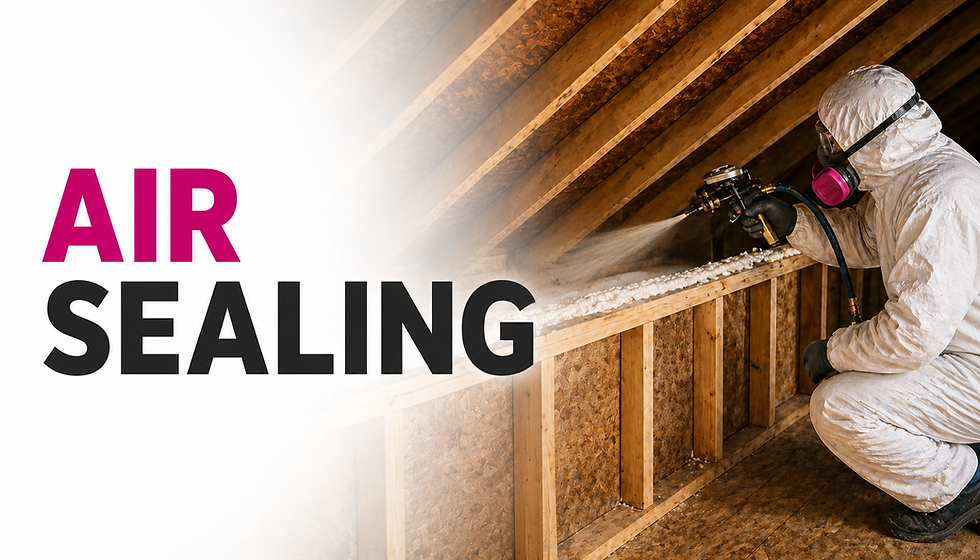
As conditioned air escapes into the attic, it carries heat and moisture with it. Air sealing helps create a continuous boundary between the home and the unconditioned attic.
The Department of Energy notes that effective attic air sealing can reduce energy loss while also helping prevent moisture problems.
Air sealing should generally be completed before additional insulation is installed so the insulation does not hide important gaps.
Roof Leaks Make Humidity Problems Worse
Not every attic moisture problem is caused by condensation. Roof leaks may allow rainwater to enter around damaged shingles, pipe boots, flashing, vents, skylights, chimneys, or exposed fasteners.
Even a small leak can soak insulation and remain hidden for an extended period.
After a Memphis thunderstorm, homeowners should watch for:
New ceiling stains
Damp attic insulation
Water around roof penetrations
Dripping near bathroom vents
Wet decking
Loose or missing shingles
Damaged flashing
A professional roof inspection in Memphis can help distinguish between a roofing leak and a broader condensation or ventilation issue.
How to Protect Your Attic From Memphis Humidity
The best way to manage attic humidity is to treat the roof and attic as one connected system.
A complete moisture-control plan may include:
Repairing active roof leaks
Venting bathroom fans outdoors
Sealing ceiling penetrations
Keeping soffit vents open
Installing ventilation baffles
Balancing intake and exhaust ventilation
Removing wet or contaminated insulation
Installing the proper amount of insulation
Sealing leaking ductwork
Scheduling regular attic and roof inspections
ENERGY STAR recommends addressing moisture damage, air leakage, ventilation, and insulation as connected parts of an attic improvement project.
Schedule a Professional Memphis Attic Inspection
Humidity damage rarely announces itself immediately. It often develops slowly behind insulation, beneath shingles, or along the underside of the roof deck.
Restoration Roofing and Restoration Insulation can evaluate your roof, decking, attic ventilation, insulation, air leakage, and exhaust venting to help identify the source of excess moisture.
Whether you have noticed musty odors, uneven temperatures, high utility bills, wet insulation, or dark staining in the attic, it is better to investigate the problem before it leads to more extensive damage.


Comments