_e.png)


Do New Homes Need Insulation?
When you buy or build a new home, it is easy to assume everything behind the walls and above the ceiling was done correctly. New roof, new HVAC system, new windows, new drywall, new paint — so the insulation must be good too, right?
Not always.
At Restoration Insulation, we inspect homes throughout Memphis, Collierville, Germantown, and the surrounding Mid-South, and we see this more often than homeowners expect: newer homes can still have poor, uneven, or insufficient attic insulation.
Just because a house is new does not automatically mean it has the right amount of insulation for Memphis weather. In some cases, the attic insulation barely meets minimum requirements. In other cases, it was blown in unevenly, compressed by other trades, shifted around, or never brought up to the level needed for long-term comfort and efficiency.
If your new home feels hot upstairs, has high utility bills, or your HVAC system seems to run constantly, your attic insulation may be part of the problem.
Why New Homes Still Need Insulation Inspections
A new home may look perfect from the inside, but the attic often tells a different story.
Builders are working on tight schedules. There are framers, roofers, electricians, plumbers, HVAC crews, drywall installers, painters, flooring crews, trim carpenters, and inspectors all moving through the home at different stages. By the time insulation is installed, it can become more of a “check the box” item than a carefully designed comfort system.
That does not always mean something was done intentionally wrong. But it does mean homeowners should not assume the attic insulation is performing at its best.
ENERGY STAR explains that sealing air leaks and adding insulation can improve comfort and energy efficiency, and their guidance specifically points homeowners toward checking whether attic insulation is adequate.
For Memphis homeowners, this matters even more. Our area deals with long, hot summers, heavy humidity, and big temperature swings throughout the year. If your attic is under-insulated, that heat can push down into your living space and force your air conditioner to work harder.
Building Code Is the Minimum, Not the Best Standard
One of the biggest misconceptions about new homes is that “passed inspection” means “built for maximum efficiency.”
Building code is a minimum standard. It is not always the same thing as best practice.
A new home may technically pass inspection and still have attic insulation that is thinner than ideal, unevenly distributed, or poorly detailed around problem areas. In a hot and humid climate like Memphis, minimum insulation may not give homeowners the comfort they expected when buying a new house.
The U.S. Department of Energy recommends insulation levels based on climate zone, and Tennessee homeowners generally need strong attic insulation performance to help control heating and cooling loss.
That is why an attic insulation inspection is so important, even in a newer home. You may not need a full replacement, but you may need additional blown-in insulation to bring your attic up to a better performing level.
Common Insulation Problems We Find in Newer Homes
Newer homes can have insulation issues for several reasons. Some are obvious once you get into the attic. Others are harder to notice until a homeowner starts dealing with comfort problems.
One of the most common issues is uneven insulation depth. The insulation may look decent near the attic access, but it may thin out near the edges, corners, soffit areas, knee walls, or hard-to-reach sections.
Another common issue is compressed insulation. If HVAC technicians, electricians, cable installers, or other trades walk through the attic after insulation is installed, they can flatten it. Once insulation is compressed, it loses some of its ability to resist heat transfer.
We also see areas where insulation has been moved away from important spaces, especially around attic decking, mechanical equipment, bathroom fans, recessed lighting areas, and access points.
The result is a home that may be brand new but still has rooms that feel too hot, too cold, or uncomfortable.
Signs Your New Home May Need More Insulation
You do not have to be an insulation expert to notice when something is off. Your house will usually give you clues.
One of the biggest signs is hot upstairs rooms. If your second floor, bonus room, or bedrooms feel much warmer than the rest of the house, your attic may not have enough insulation above those spaces.
Another sign is high utility bills. A new home should be relatively efficient. If your energy bills seem unusually high, especially in the summer, attic heat transfer could be causing your HVAC system to run longer than it should.
You may also notice that your air conditioner runs constantly. That does not automatically mean your HVAC system is bad. Poor attic insulation can make it harder for the system to maintain the temperature you set.
Other warning signs include:
Uneven temperatures from room to room.
Drafty areas near attic access points.
A bonus room that is never comfortable.
Humidity issues inside the home.
Ceiling joists visible above the insulation in the attic.
Insulation that looks thin, patchy, or disturbed.
If you can easily see the ceiling joists across your attic, that is often a sign that the insulation level may be too low.
Why Air Sealing Matters Too
Insulation is important, but insulation alone is not the whole story.
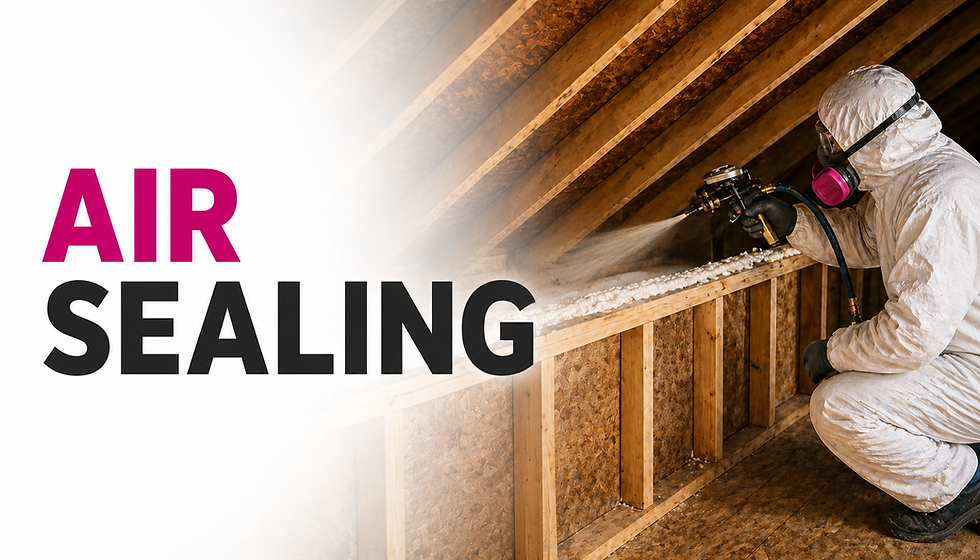
Air sealing matters because it helps stop conditioned air from escaping into the attic. Common leak points include plumbing penetrations, wiring holes, recessed lights, top plates, attic hatches, and gaps around mechanical chases.
ENERGY STAR recommends sealing attic air leaks before adding insulation because air sealing helps homeowners get the full performance out of their insulation.
This is especially important in Memphis because humid air movement can make comfort problems worse. If your attic is poorly sealed, your HVAC system may be fighting both heat and moisture.
At Restoration Insulation, we look at the attic as a system. That means insulation depth, insulation coverage, attic access, ventilation, and air leakage all matter.
Why Blown-In Fiberglass Is a Great Option for Memphis Homes
For many Memphis-area homes, blown-in fiberglass insulation is one of the best attic insulation options available.
Blown-in fiberglass works well because it creates a consistent blanket of insulation across the attic floor. It can fill gaps and hard-to-reach areas better than traditional batt insulation, especially in attics with irregular framing, corners, mechanical equipment, or tight spaces.
It is also a great solution when a home already has some insulation but not enough. In many cases, additional blown-in fiberglass can be installed over existing insulation to improve overall attic performance.
Blown-in fiberglass is clean, effective, non-combustible, and does not settle the same way some loose-fill materials can. When installed properly, it helps reduce heat transfer from the attic into the living space, which can improve comfort and help your HVAC system work more efficiently.
That is why Restoration Insulation believes our blown-in fiberglass option is one of the best insulation solutions Memphis homeowners can choose.
Restoration Insulation Is a TVA EnergyRight Quality Contractor
Restoration Insulation is proud to be a TVA EnergyRight Quality Contractor Network company.
That matters because homeowners may be eligible for rebates when qualifying attic insulation and air sealing improvements are completed through TVA EnergyRight and participating local power companies. TVA EnergyRight currently lists a limited-time attic insulation rebate of up to $500, along with available air sealing and insulation upgrade rebates.
That means improving your attic insulation may not only make your home more comfortable — it may also qualify for money back through available energy-efficiency rebate programs.
Rebate availability can vary by service area and program requirements, so it is always best to confirm current eligibility. But if you are in the Memphis area and considering attic insulation, working with an EnergyRight contractor like Restoration Insulation can help you take the right steps.
You can learn more about our insulation services at RestorationInsulation.com.
New Home or Older Home, Your Attic Still Matters
A new home should feel comfortable, efficient, and easy to heat and cool. But if the attic insulation is thin, uneven, compressed, or missing in key areas, your home may not perform the way it should.
The good news is that attic insulation is one of the most practical upgrades you can make. You do not have to tear open walls or start a major renovation. In many cases, improving attic insulation with blown-in fiberglass can make a noticeable difference in comfort.
If your new home has hot rooms, high energy bills, humidity problems, or an HVAC system that never seems to stop running, do not assume that is normal.
It may be time to have your attic inspected.
Schedule an Attic Insulation Inspection in Memphis
If you are in Memphis, Collierville, Germantown, or the surrounding Mid-South, Restoration Insulation can help you determine whether your home has enough insulation.
Our team will inspect your attic, evaluate insulation levels, look for problem areas, and explain your best options. If your home needs additional insulation, our blown-in fiberglass option is one of the best Memphis has to offer.
Visit RestorationInsulation.com to schedule your attic insulation inspection and find out whether your new home is truly protected from the top down.


Comments