_e.png)


Why Memphis Humidity is the #1 Enemy of Your Attic
If you live in Memphis, you already know the humidity here is no joke. Step outside on a summer morning and the air feels thick enough to drink. While most homeowners think of humidity as just an outdoor discomfort, what many don’t realize is that Memphis humidity can silently destroy your attic and roof system if it isn’t properly managed.
At Restoration Insulation, we inspect attics across the Memphis area every week, and humidity-related issues are one of the most common problems we see. From mold growth to rotting wood, excessive moisture in the attic can lead to expensive damage if it goes unchecked.
Let’s take a closer look at why Memphis humidity is so dangerous for your attic and what homeowners can do to protect their homes.
Memphis Has the Perfect Storm for Attic Moisture
Memphis sits in a climate zone known for hot summers, warm winters, and extremely high humidity levels. During much of the year, outdoor humidity levels regularly exceed 70–90%.
That moisture doesn’t just stay outside. It finds its way into your attic through several common paths:
Air leaks from the home below
Poor attic ventilation
Bathroom or kitchen vents dumping into the attic
Leaky ductwork
Roof leaks
Poor insulation
Once moisture enters the attic, the combination of heat and stagnant air creates the perfect environment for damage.
In the summer, attic temperatures in Memphis can easily reach 130–150 degrees. When humid air gets trapped in those conditions, condensation begins forming on cooler surfaces like roof decking, rafters, and nails.
Over time, this moisture buildup leads to serious problems.
Problem #1: Mold Growth
One of the first signs of excessive attic humidity is mold growth.
Mold thrives in environments that have:
Moisture
Organic materials (like wood)
Limited airflow
Warm temperatures
Unfortunately, attics provide all four.
Many Memphis homeowners are surprised to discover black staining or mold growth on their roof decking during a roof inspection. In many cases, the issue is not a roof leak at all—it’s simply trapped humidity.
Mold in the attic can:
Damage structural wood
Spread throughout the attic
Cause unpleasant odors
Potentially affect indoor air quality
Once mold begins to spread, remediation can become expensive.
Problem #2: Wood Rot and Structural Damage
Another major issue caused by humidity is wood rot.
Roof decking, rafters, and trusses are all made from wood products that absorb moisture over time. When humidity levels remain high for extended periods, these materials begin to break down.
Signs of humidity-related wood damage include:
Soft or spongy roof decking
Warped rafters
Delaminating plywood
Rusted nails protruding through the decking
If left untreated, moisture can weaken the structural components of your roof system.
This is one reason roofing contractors sometimes discover rotted decking during roof replacements in Memphis homes.
Problem #3: Insulation Damage
Your attic insulation plays a critical role in keeping your home energy efficient. But humidity can destroy insulation performance.
Fiberglass insulation works by trapping tiny pockets of air that slow heat transfer. When insulation absorbs moisture, those air pockets collapse.
Wet insulation can:
Lose its R-value
Become compressed
Grow mold
Develop odors
Once insulation becomes saturated with moisture, it often needs to be removed and replaced entirely.
Many Memphis homeowners unknowingly pay higher energy bills because their insulation has been compromised by attic humidity.
Problem #4: Higher Energy Bills
Humidity doesn’t just damage materials—it can also make your home significantly less energy efficient.
When your attic is full of warm, humid air, that heat radiates downward into the home. Your HVAC system then has to work much harder to maintain comfortable indoor temperatures.
Poor attic conditions can cause:
Increased cooling costs
Uneven room temperatures
Overworked HVAC systems
Shortened equipment lifespan
Proper attic ventilation and insulation can dramatically reduce these issues.
Problem #5: Premature Roof Aging
Humidity can also shorten the life of your roof.
When moisture accumulates beneath the roof deck, it can cause:
Shingles to deteriorate faster
Decking to warp
Nails to rust
Adhesives to weaken
Over time, this can lead to premature roof failure, even if the shingles themselves are still relatively new.
In some cases, homeowners replace roofs earlier than expected simply because attic conditions accelerated the aging process.
The Role of Proper Attic Ventilation
The most effective way to combat Memphis humidity in your attic is proper ventilation.
A balanced ventilation system allows fresh air to enter through soffit vents and exit through ridge vents or other exhaust vents. This constant airflow helps remove heat and moisture before it can accumulate.
A properly ventilated attic will:
Reduce humidity levels
Prevent mold growth
Extend roof life
Improve energy efficiency
Protect insulation
Unfortunately, many homes in the Memphis area have improper or insufficient ventilation. We frequently see blocked soffit vents, poorly installed ridge vents, or outdated ventilation systems.
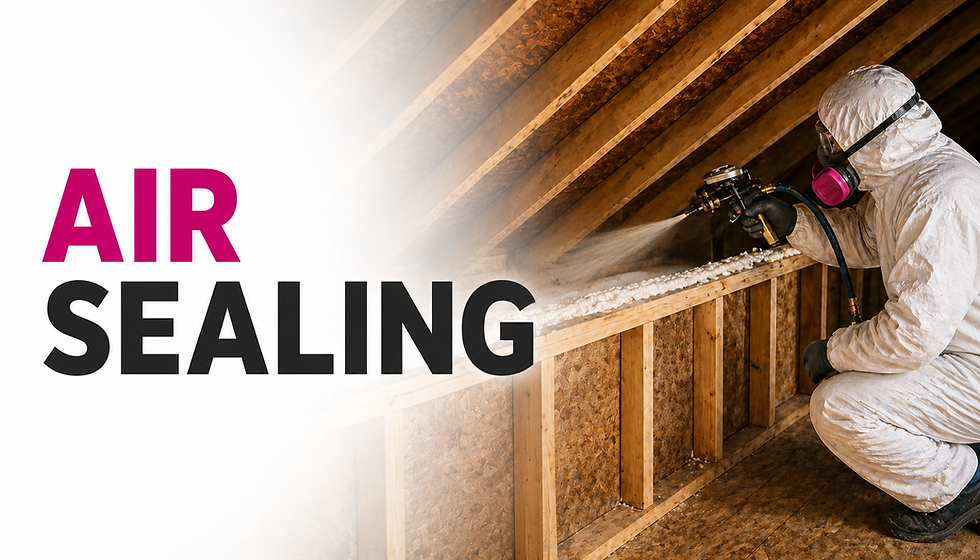
Air Sealing Matters Too
Ventilation alone isn’t enough if humid air from inside the home continues leaking into the attic.
Warm air rises, and without proper air sealing, moisture from:
Bathrooms
Kitchens
Laundry rooms
Crawlspaces
can easily enter the attic.
Air sealing helps prevent this by closing gaps around:
Attic hatches
Light fixtures
Electrical penetrations
Top plates
Duct openings
When combined with proper insulation and ventilation, air sealing creates a much healthier attic environment.
Warning Signs Your Attic Has a Humidity Problem
Many homeowners don’t realize they have an attic moisture issue until significant damage has already occurred.
Some common warning signs include:
Musty smells in the attic
Mold or dark staining on roof decking
Rusted roofing nails
Wet or compressed insulation
Excessively hot attic temperatures
High indoor humidity levels
If you notice any of these issues, it may be time for a professional attic inspection.
Protecting Memphis Homes from Humidity Damage
Because of our climate, managing attic humidity is essential for Memphis homeowners.
The best defense includes:
Proper attic ventilation
Adequate insulation
Air sealing
Regular roof inspections
Addressing leaks quickly
These steps can dramatically reduce the risk of costly attic damage.
Schedule an Attic Inspection
At Restoration Insulation, we inspect attics across Memphis every day and frequently find humidity-related problems that homeowners never knew existed.
Our team looks for:
Ventilation issues
Insulation performance
Moisture buildup
Roof system problems
Catching these issues early can save thousands of dollars in future repairs.
If you’re concerned about your attic or want to make sure your home is protected from Memphis humidity, scheduling a professional inspection is a smart first step.


Comments