_e.png)


How Attic Insulation Prevents Ice Dams
If left unchecked, ice dams can lead to water intrusion, damaged shingles, soaked insulation, mold growth, interior stains, and costly repairs. Fortunately, the best way to prevent ice dams isn’t ice scraping — it’s proactive attic insulation and ventilation.
As a trusted insulation contractor serving Memphis and surrounding areas, Restoration Insulation has helped homeowners prevent costly winter damage by improving attic performance using high‑quality blown‑in fiberglass insulation paired with proper airflow solutions.
Let’s walk through why ice dams form — and how you can prevent them.
What Is an Ice Dam?
An ice dam is a buildup of ice along the roof edge or eaves, caused by a cycle of melting and freezing:
Warm attic air rises and warms the roof deck.
Snow on the warm roof melts and runs down toward the colder roof edge.
At the eaves (which are not heated), the meltwater refreezes.
As the ice ridge grows, it traps additional melts, causing water to back up under shingles.
This backed‑up water can leak into attics, ceilings, and walls — causing wood rot, insulation damage, mold, drywall stains, and even structural issues.
The Root Cause: Attic Heat Loss + Poor Ventilation
Ice dams are not a roofing defect — they’re a heat management problem. Two attic conditions almost always contribute:
1. Inadequate Attic Insulation
Without sufficient insulation, warm indoor air easily escapes into the attic. That heat increases attic temperature, warms the roof deck, and initiates the melt/freezing cycle.
2. Improper Attic Ventilation
Good insulation must work with proper ventilation. Without airflow that moves cool air in and warm air out, hot pockets form in the attic, warming the roof unevenly.
Put simply:
Cold attic + good insulation + balanced ventilation = no ice dams.
That’s the foundation of prevention.
How Attic Insulation Prevents Ice Dams
Blown‑In Fiberglass Insulation: A Proven Solution
At Restoration Insulation, we specialize in blown‑in fiberglass attic insulation — a superior way to fill gaps, cover irregular surfaces, and build a strong thermal barrier between your home and the attic.
Here’s why blown‑in fiberglass is so effective:
Full Coverage: Blown‑in insulation fills nooks and crannies that batts often miss, eliminating thermal weak spots.
Stable R‑Value: Fiberglass maintains its insulation value over decades without compressing or sagging.
Moisture Resistance: Fiberglass doesn’t absorb moisture, reducing the risk of mold or rot.
Long‑Lasting Performance: When installed correctly, it retains effectiveness for 80–100 years.
By increasing the attic’s R‑value, warm air from living spaces stays below the insulation layer — keeping the attic cold in winter and reducing ice dam formation.
Why Ventilation Matters (It’s Not Just Insulation!)
Even with high‑performance insulation, you still need proper attic ventilation to regulate attic temperature. Warm spots can still form if air doesn’t circulate.
A balanced ventilation system has:
Soffit vents (intake vents at the lowest part of the roof)
Ridge vents (exhaust vents along the highest part of the roof)
Optional attic fans or solar attic fans for active airflow
Good ventilation:
Removes warm, humid air from the attic
Reduces thermal stratification
Helps keep the roof deck uniformly cold
Works with insulation to minimize heat transfer
Together, insulation and ventilation create a thermal system that protects your roof from ice dam formation — and reduces HVAC stress and energy use year‑round.
Signs Your Attic Needs Attention
Before an ice dam forms (or after one has already appeared), watch for these warning signs:
Uneven roof temperatures (warm spots in winter)
Higher home heating bills than comparable homes
Drafty rooms, especially near ceilings
Frost or condensation in the attic
Ice buildup at roof edges during winter
Attic feels warm or humid compared to the outside air
Ice/heat cycles that cause repeated freeze/thaw patterns
If any of these look familiar, it’s time for an inspection.

Steps to Prevent Ice Dams (Checklist)
✔ 1. Evaluate Current Insulation
Check how much insulation you currently have — and whether it meets modern R‑value recommendations for your region.
In the South, targeting an attic R‑value between R‑38 and R‑60 is often recommended, depending on your home’s structure and HVAC location.
✔ 2. Add or Upgrade Insulation
Blown‑in fiberglass attic insulation is one of the best ways to increase R‑value without disturbing your home. It fills gaps between joists and around obstacles for consistent coverage.
✔ 3. Improve Attic Ventilation
Ensure intake and exhaust vents are properly installed and free of blockages. Ridge vents + soffit vents provide natural airflow, and solar attic fans can assist during cooler periods.
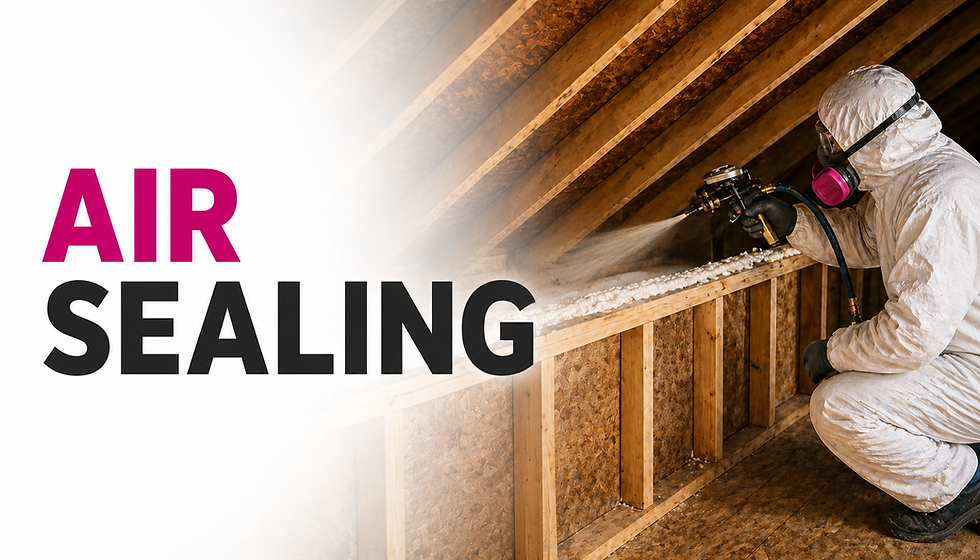
✔ 4. Seal Air Leaks
Attic air sealing is crucial. Warm air escaping through fixtures, attic hatches, or recessed lighting can create heat pockets. Seal leaks before insulating for maximum effectiveness.
✔ 5. Monitor Attic Moisture
Moisture in the attic worsens ice dam risk. Install vapor barriers where needed and ensure attic ventilation keeps humidity low.
Why DIY Isn’t Enough
Homeowners often try DIY insulation or attic ventilation fixes — but mistakes can make problems worse:
Compression of insulation reducing its effectiveness
Blocked vents or improper installation
Missing gaps around wiring, plumbing, or ductwork
Moisture trapping due to improper air sealing
A professional installation ensures your attic system works as a unified whole — not a patchwork of temporary fixes.
How Restoration Insulation Helps
At Restoration Insulation, we offer comprehensive attic solutions that focus on performance and long‑term value:
🔹 Free Attic Inspections
We assess insulation levels, ventilation, moisture issues, and air leakage.
🔹 Professional Blown‑In Fiberglass Installation
Fast, clean, and effective — designed for your home’s specific needs.
🔹 Ventilation Upgrades & Guidance
We recommend the right combination of vents and airflow solutions for your attic.
🔹 Air Sealing & Moisture Control
We seal gaps, protect attic spaces, and improve thermal barriers.
🔹 Winter Readiness Planning
We help you prepare your attic system before cold weather hits.
Real Results: What You’ll Notice After Upgrading
After proper insulation and ventilation work:
✅ Lower energy bills in winter
✅ Fewer drafts and temperature swings
✅ Reduced risk of ice dams and roof damage
✅ Improved HVAC efficiency
✅ Longer roof lifespan
✅ A more comfortable home year‑round
Final Thoughts
Ice dams can lead to expensive repairs — but they’re often preventable with the right attic system. The most effective approach combines:
Proper attic insulation
Balanced ventilation
Air sealing and moisture control
If your home has experienced ice buildup, drafty rooms, or high winter energy costs, there’s no better time to act. Contact Restoration Insulation today for a free attic evaluation and find out how blown‑in fiberglass insulation can keep your home warmer and safer all season long.
📞 Call us at 901‑860‑4280 to schedule your inspection and get winter‑ready!


Comments