_e.png)


How Many Inches of Insulation Does My Attic Need?
If you’ve ever looked into your attic and wondered, “Is that enough insulation?”—you’re not alone. One of the most common questions homeowners ask is:
How many inches of insulation does my attic actually need?
The answer depends on your climate, the type of insulation, and how your attic is currently performing. But one thing is certain—most homes in Memphis are under-insulated, which leads to higher energy bills and uncomfortable living spaces.
At Restoration Insulation, we evaluate attics across Memphis every day, and we frequently find insulation levels well below modern standards. In this guide, we’ll break down exactly how much insulation your attic needs and how it impacts your home.
Understanding Insulation: It’s About R-Value
Before we talk inches, it’s important to understand R-value.
R-value measures how well insulation resists heat flow. The higher the R-value, the better the insulation performs.
In the Memphis area (Climate Zone 3), the recommended attic insulation level is:
👉 R-38 (minimum)👉 R-49 (recommended for optimal performance)
How Many Inches Is That?
The number of inches depends on the type of insulation used.
Blown-In Fiberglass Insulation
R-38 = about 12–14 inches
R-49 = about 16–18 inches
Cellulose Insulation
R-38 = about 10–12 inches
R-49 = about 14–16 inches
Batt (Fiberglass Roll) Insulation
Typically installed in layers to reach desired R-value
R-38 = around 12 inches (depending on product)
What Most Memphis Homes Actually Have
Here’s the reality:
Many homes in Memphis—especially those built before the early 2000s—only have:
❌ 4–8 inches of insulation❌ Uneven or compressed insulation❌ Gaps and air leaks
This means homeowners are often operating at half (or less) of the recommended insulation level.
Why Insulation Thickness Matters
The thickness of your insulation directly affects:
1. Energy Bills
Too little insulation allows heat to transfer easily into your home during summer.
That means:
Your AC runs longer
Your system works harder
Your energy bills increase
2. Home Comfort
Do you have:
Hot upstairs rooms?
Uneven temperatures?
Rooms that never feel comfortable?
This is often an insulation issue.
Proper insulation helps maintain consistent temperatures throughout your home.
3. HVAC Performance
When your attic isn’t properly insulated, your HVAC system has to compensate.
Over time, this leads to:
Increased wear and tear
Higher maintenance costs
Shorter system lifespan
The “Quick Check” Homeowners Can Do
You don’t need to be an expert to get a general idea of your insulation levels.
Here’s a simple test:
👉 If you can see the tops of your attic joists clearly, you likely don’t have enough insulation.
Proper insulation should be above the joists, not level with or below them.
Insulation Alone Isn’t Enough
This is where many homeowners get it wrong.
Even if you have the right number of inches, your insulation may not be performing properly if:
Air leaks are present
Ventilation is poor
Insulation is uneven or compressed
At Restoration Insulation, we always look at the attic as a system, not just insulation depth.
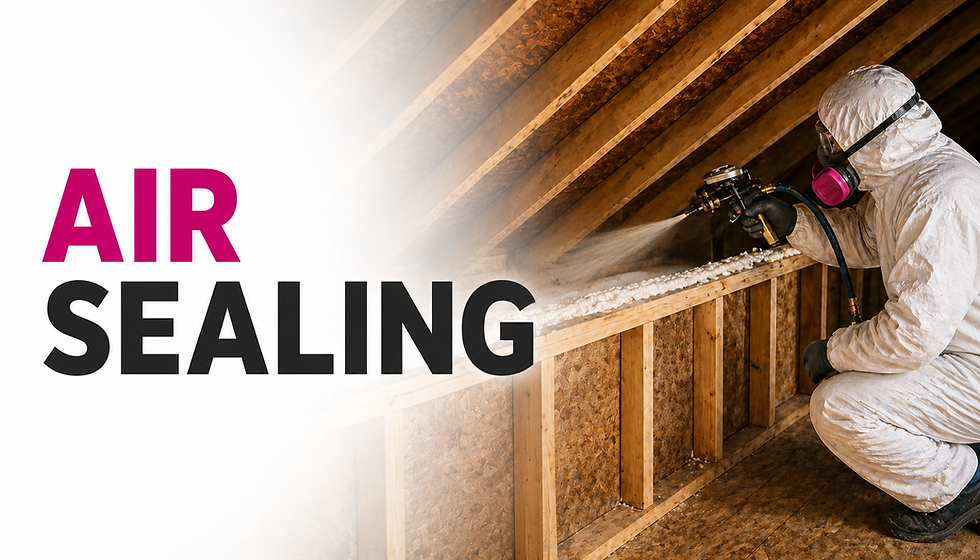
Air Sealing Comes First
Before adding insulation, it’s critical to seal air leaks.
Common areas include:
Attic stairs
Light fixtures
Wiring and plumbing penetrations
Without air sealing, even thick insulation won’t perform efficiently because hot air can bypass it.
Ventilation Matters Too
Proper attic ventilation works alongside insulation to regulate temperature and moisture.
Without ventilation:
Heat gets trapped in the attic
Insulation becomes less effective
Moisture issues can develop
This is why we often recommend solutions like:
Ridge vents
Soffit vents
Solar attic fans
Blown-In Insulation: The Best Upgrade for Most Homes
For attic upgrades, blown-in insulation is typically the best option.
Why?
✔ Fills gaps and irregular spaces✔ Provides even coverage✔ Improves overall performance✔ Works well over existing insulation
It allows us to bring your attic up to the recommended R-value more effectively than batt insulation alone.
How Much Insulation Is Too Much?
This is another common question.
In most cases, you won’t have too much insulation—but there is a point of diminishing returns.
Going beyond R-49 may not provide significant additional savings compared to the cost.
The goal is to reach an optimal level—not just add insulation endlessly.
Signs You Need More Insulation
If you’re unsure about your attic, here are some clear indicators:
High summer energy bills
Hot upstairs rooms
HVAC running constantly
Uneven temperatures
Old or thin insulation
If you notice any of these, your attic likely needs attention.
What Does It Cost to Upgrade?
Costs vary depending on:
Attic size
Current insulation levels
Accessibility
Air sealing needs
However, many homeowners qualify for rebates, such as TVA incentives, which can help offset the cost.
And in most cases, the energy savings help pay for the upgrade over time.
The Bottom Line
So, how many inches of insulation does your attic need?
👉 12–18 inches for most Memphis homes (depending on material)👉 Enough to reach R-38 to R-49
But more importantly:
👉 It needs to be installed correctly👉 It needs proper air sealing👉 It needs proper ventilation
Without those, even the right thickness won’t perform the way it should.
Schedule a Professional Attic Evaluation
If you’re not sure how much insulation your attic has—or how well it’s performing—the best next step is a professional evaluation.
At Restoration Insulation, we help Memphis homeowners:
Measure insulation levels
Identify air leaks
Evaluate ventilation
Recommend the right solutions
Get Your Attic Checked Today
📞 Call 901-860-4280 to schedule your inspection
Let’s make sure your home is properly insulated, comfortable, and ready for Memphis weather year-round.


Comments