_e.png)


Blown-In Insulation vs. Batt Insulation: Which Wins?
When it comes to improving your home’s comfort and energy efficiency, choosing the right insulation is one of the most important decisions you can make. Two of the most common options homeowners consider are blown-in insulation and batt insulation.
But which one is better?
The answer depends on your home, your goals, and how the insulation is installed. At Restoration Insulation, we help Memphis homeowners evaluate their attic and choose the best solution for long-term performance—not just a quick fix.
In this guide, we’ll break down the differences between blown-in and batt insulation so you can make the right choice for your home.
What Is Blown-In Insulation?
Blown-in insulation, also known as loose-fill insulation, is made up of small particles—typically fiberglass or cellulose—that are blown into an attic or wall cavity using specialized equipment.
This type of insulation is designed to fill gaps, voids, and irregular spaces, creating a more complete thermal barrier.
Common Types:
Fiberglass blown-in insulation
Cellulose blown-in insulation
What Is Batt Insulation?
Batt insulation comes in pre-cut panels or rolls, usually made of fiberglass. These pieces are designed to fit between studs, joists, and rafters.
Batt insulation is commonly used in:
New construction
Wall cavities
Open attic spaces
Key Differences Between Blown-In and Batt Insulation
1. Coverage and Air Sealing
Blown-in insulation wins this category.
Because it’s loose and applied with a machine, blown-in insulation can:
Fill hard-to-reach areas
Cover irregular framing
Reduce gaps and voids
Batt insulation, on the other hand, is only effective when installed perfectly. Even small gaps or misalignments can reduce performance.
In real-world applications, batt insulation often leaves:
Air pockets
Gaps around wiring or framing
Uneven coverage
This can lead to energy loss over time.
2. Energy Efficiency
Blown-in insulation generally provides better overall energy performance, especially in attics.
Why?
Because it creates a more continuous layer across the attic floor. When combined with proper air sealing, blown-in insulation helps:
Reduce heat transfer
Improve HVAC efficiency
Lower energy bills
Batt insulation can still be effective, but only if it’s installed with precision and paired with air sealing.
3. Installation Quality
This is where many homeowners get misled.
Batt insulation may seem simple, but it’s very easy to install incorrectly. Poor installation can significantly reduce its effectiveness.
Common issues include:
Compressed insulation
Gaps between batts
Improper fitting around obstacles
Blown-in insulation, when installed by professionals, tends to produce more consistent results because it conforms to the space.
At Restoration Insulation, we often see attics with batt insulation that look “full” but are underperforming due to installation gaps.
4. Cost Comparison
Batt insulation is typically less expensive upfront than blown-in insulation.
However, lower cost doesn’t always mean better value.
Blown-in insulation may cost more initially, but it often provides:
Better energy savings
Improved comfort
Longer-lasting performance
Over time, the energy savings can help offset the initial cost difference.
5. Best Use Cases
When Batt Insulation Makes Sense:
New construction
Open wall cavities
Areas where framing is uniform
DIY projects (with caution)
When Blown-In Insulation Is Better:
Attic upgrades
Existing homes
Irregular or hard-to-reach spaces
Adding insulation over existing layers
For most Memphis homes, especially older ones, blown-in insulation is the better option for attic improvements.
6. Performance Over Time
Blown-in insulation tends to maintain more consistent coverage over time.
Batt insulation can shift, sag, or become compressed, especially if:
It’s walked on
It’s exposed to moisture
It was poorly installed
Cellulose blown-in insulation can settle slightly over time, but when installed properly, this is accounted for during installation.
7. Moisture and Airflow Considerations
Both types of insulation are affected by attic conditions.
If your attic has:
Poor ventilation
High humidity
Air leaks
Then neither insulation type will perform as well as it should.
That’s why at Restoration Insulation, we focus on:
✔ Air sealing before insulation✔ Proper attic ventilation✔ Correct insulation depth
Insulation is just one piece of the puzzle.
The Real Winner: It Depends on the Application
So, which wins—blown-in or batt insulation?
For Attics:
Blown-in insulation is the clear winner.
It provides better coverage, fewer gaps, and improved energy performance.
For Walls:
Batt insulation can still be effective, especially in new construction where it can be installed properly.
Why Most Memphis Homes Benefit from Blown-In Insulation
In Memphis, homes deal with:
High summer heat
Humidity
Long cooling seasons
These conditions make attic performance critical.
Blown-in insulation helps by:
Reducing heat transfer from the attic
Keeping indoor temperatures more stable
Lowering strain on HVAC systems
Many homes in the area were built with insufficient insulation, making upgrades even more impactful.
Common Mistake: Choosing Insulation Without Addressing Air Leaks
One of the biggest mistakes homeowners make is upgrading insulation without addressing air leaks.
Even the best insulation won’t perform well if:
Air is escaping through attic penetrations
Attic stairs are unsealed
Ductwork is leaking
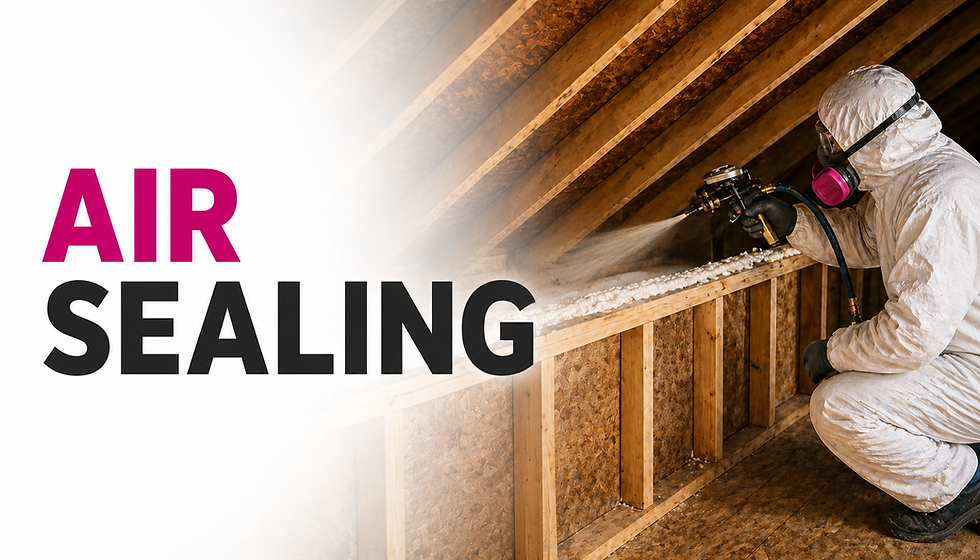
That’s why a proper insulation job should always include air sealing.
Work With a Professional Insulation Contractor
Choosing between blown-in and batt insulation isn’t just about the material—it’s about how it’s installed and how your attic system is designed.
At Restoration Insulation, we evaluate:
Current insulation levels
Air leakage points
Attic ventilation
Overall energy performance
Then we recommend the best solution based on your home—not a one-size-fits-all approach.
Final Verdict: Blown-In Insulation Wins for Most Homes
While both insulation types have their place, blown-in insulation is typically the better choice for improving attic performance in existing homes.
It offers:
Better coverage
Improved energy efficiency
More consistent results
Greater long-term value
If your home feels too hot in the summer, too cold in the winter, or your energy bills seem higher than they should be, your attic insulation may be the problem.
Schedule an Attic Evaluation
If you’re unsure which type of insulation is right for your home, the best next step is a professional inspection.
Restoration Insulation proudly serves Memphis homeowners with expert attic evaluations, insulation upgrades, and energy efficiency solutions designed to deliver real results.
Let us help you create a more comfortable, efficient home—starting from the top.


Comments